Hiking Stick Introduction
A hiking stick is a versatile and practical companion for trekkers seeking improved stability and comfort on trails. By offering additional support, hiking sticks have become a valued accessory for both casual walkers and seasoned adventurers. Designed to ease strain on joints and help maintain balance, they prove especially helpful on uneven terrain, steep inclines, and during long journeys, making outdoor exploration safer and more enjoyable.
All about Hiking Stick
Hiking sticks, also known as trekking poles or walking staffs, serve more than just balance assistance; they contribute to endurance and overall hiking efficiency. These aids come in various designs, from sturdy wooden staffs to lightweight collapsible pole sets. Modern hiking sticks feature adjustable height, ergonomic grips, and shock-absorbing tips to meet the demands of different terrain types. Some models even double as tent poles or emergency gear, making them an essential part of any hiker’s equipment.
Benefits of Using a Hiking Stick
Hiking sticks offer substantial advantages, such as reduced joint strain by distributing body weight and minimizing shock to knees, hips, and ankles. They improve endurance by engaging upper body muscles while walking, allowing you to hike longer with less leg fatigue. Balance is enhanced when crossing streams, climbing steep paths, or traversing rocky sections, reducing the risk of slips and falls. Multi-functional uses include aiding in tent setup, checking water depth, and helping companions on the trail.
Choosing the Best Hiking Stick
Selecting the right hiking stick depends on hiking frequency, terrain, and personal comfort needs. For most hikers, adjustable or telescoping poles offer flexibility for varied paths. Lightweight carbon fiber models are ideal for long distances, while ergonomic cork grips provide comfort in hot weather. Collapsible hiking sticks are perfect for those who travel or want to stow their equipment easily. Test grip and adjustability to match your height and hiking style for the best fit.
Techniques for Proper Use
Maximizing the benefits of a hiking stick requires using proper technique. Maintain a loose grip and plant the stick slightly ahead of your leading foot for stability. Adjust pole length so arms are at a comfortable angle—usually around a 90-degree bend at the elbow. On downhills or rough ground, extend the stick for extra support; for uphills, shorten it slightly. Alternate stick and foot movement in rhythm for efficient hiking and to minimize energy expenditure.
Caring for Your Hiking Stick
Regular care ensures your hiking stick remains reliable. After each hike, wipe down the pole and inspect joints, straps, and tips for damage. Lubricate telescoping locks and store in a dry area to prevent rust. Replace worn rubber tips and maintain shock absorbers per manufacturer instructions for continued comfort on the trail. Proper maintenance extends the life of your hiking stick and keeps your adventures safe and smooth.
Hiking Stick Summary
Hiking sticks have transformed outdoor experiences by offering stability, protection, and efficiency to hikers of all skill levels. From simple wooden staffs to advanced ultra-light poles, their design and versatility support confidence on any terrain. Thoughtful selection and attentive maintenance ensure that every journey is enhanced by improved balance, reduced fatigue, and minimized joint stress — making hiking sticks an invaluable tool for outdoor enthusiasts seeking comfort and safety on every adventure.
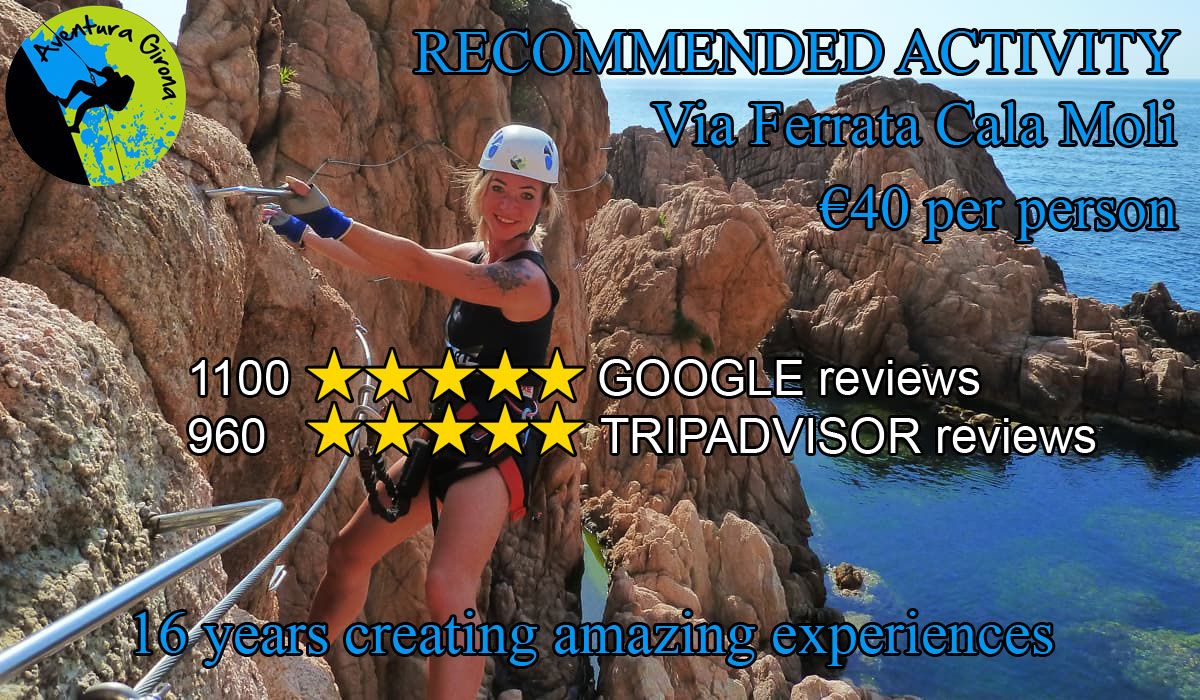
Recommended Activity: Via Ferrata Cala Moli !
Minimum height 155 cm | 30 minutes Girona / 60 minutes Barcelona | Starting from 40 euros
Content and Pages Backlinks
Tune My Website official index
Party Barcelona boat and pool
Traumatologia Barcelona Spain