Ronda de Dalt
Ronda de Dalt Introduction
Ronda de Dalt is one of the main ring roads that helps structure traffic circulation around the metropolitan area of Barcelona, easing congestion within the city center and connecting key districts and access routes. As an urban highway, it plays a crucial role in daily mobility for residents, commuters, and visitors who travel between neighborhoods, industrial zones, and regional motorways. Understanding how Ronda de Dalt works, the areas it links, and the services located along its route is essential for anyone planning to drive in or around Barcelona.
All about Ronda de Dalt
Ronda de Dalt runs along the upper side of Barcelona, closer to the Collserola mountain range, forming part of the city’s orbital road system together with other major bypass routes. Designed to divert through-traffic away from the dense historic core, it allows vehicles to move quickly between different entrances and exits without crossing the central districts. The road includes numerous junctions that connect to residential neighborhoods, commercial zones, hospitals, university campuses, and other important facilities, making it a vital artery for everyday life in the metropolitan region. For many drivers, Ronda de Dalt is the fastest way to skirt the city and reach coastal or inland destinations via other major highways.
Location and Route of Ronda de Dalt
Ronda de Dalt traces a semi-circular path along the northern and western edge of Barcelona, following the contours of the foothills that rise behind the city. Its elevated position offers occasional views over urban areas and towards the Mediterranean, although in many stretches the road is flanked by sound barriers, tunnels, and retaining walls to minimize noise and visual impact on nearby neighborhoods. Along its route, Ronda de Dalt intersects with key access roads that descend toward the city center and ascend toward surrounding municipalities, effectively linking Barcelona with its broader metropolitan belt.
Traffic, Mobility, and Daily Use
As a busy orbital road, Ronda de Dalt experiences significant traffic flows, particularly during morning and evening rush hours when commuters move between residential zones and employment centers. The road is designed with multiple lanes in each direction, complex junctions, and carefully planned signage to guide drivers toward the correct exits. Speed limits and traffic regulations vary depending on the section, with some stretches running through short tunnels or covered segments to reduce surface-level disruption. For residents and logistics operators, Ronda de Dalt is an indispensable route for distributing goods, reaching industrial areas, and accessing regional highways more efficiently.
Urban Integration and Surrounding Neighborhoods
Ronda de Dalt passes close to a variety of neighborhoods that illustrate the diversity of the Barcelona metropolitan landscape, from dense residential districts to green spaces and institutional zones. Over the years, urban planners have sought to mitigate the impact of the road by adding noise barriers, landscaped embankments, and in some cases covering sections of the roadway to create new public areas above. Parks, sports facilities, and pedestrian paths near the corridor help connect communities that might otherwise be separated by a major traffic infrastructure. This integration reflects a broader effort to balance mobility needs with quality of life for nearby residents.
Safety, Signage, and Services
Ronda de Dalt is equipped with traffic signs, lighting, and safety systems to help drivers navigate the numerous exits and interchanges confidently. Clear lane markings and advance signage indicate upcoming junctions, connections to other major roads, and speed changes, which is especially important for those unfamiliar with the route. Services accessible from the exits include fuel stations, commercial centers, hospitals, universities, and business districts, making the ring road a practical starting point for many essential journeys. Emergency lanes and surveillance systems support rapid responses in the event of accidents or breakdowns, contributing to overall road safety.
Future Developments and Improvements
Like many urban ring roads, Ronda de Dalt is the subject of ongoing discussions about how to improve mobility, reduce congestion, and lessen environmental impacts. Potential measures include encouraging alternative modes of transport, refining junction designs, and continuing to cover or landscape certain sections to reconnect urban spaces. Technological tools for traffic management, such as variable message signs and real-time monitoring, can help smooth traffic flows and inform drivers about incidents or delays. As the city evolves, plans for Ronda de Dalt must balance the need for efficient vehicle movement with goals for sustainability, noise reduction, and healthier urban environments.
Ronda de Dalt Summary
Ronda de Dalt is a key element of Barcelona’s road network, providing a fast corridor around the upper part of the city and linking major access routes, neighborhoods, and regional highways. Its design allows through-traffic to bypass the historic center while still offering convenient exits to important residential, commercial, and institutional areas. Ongoing efforts to integrate the road more harmoniously with surrounding communities, improve safety, and adapt to changing mobility needs ensure that Ronda de Dalt remains a central piece of the metropolitan transport puzzle.
Similar to Ronda de Dalt
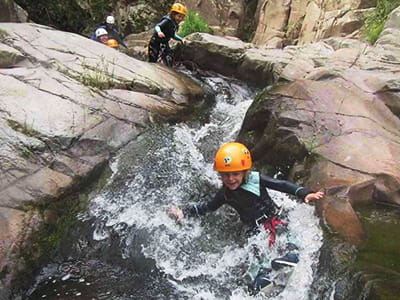
Canyoning, Via Ferratas and Team Building ... you choose the activity, and we will make sure you will enjoy it!

Digital Partners
Corporate Online Marketing Services
Barcelona Data Driven Marketing
2Let2 Cathays Cardiff