Spain Factbook
Spain Factbook Introduction
The Spain Factbook offers a comprehensive overview of Spain’s geography, economy, people, and culture. Situated in southwestern Europe on the Iberian Peninsula, Spain shares borders with France, Portugal, and Andorra, and has coastlines on both the Atlantic Ocean and the Mediterranean Sea. With a rich history, diverse regions, and strong global influence, Spain stands as one of the most dynamic countries in Europe. Understanding the key facts about Spain provides valuable insights into its national identity and global role.
All about Spain Factbook
All about the Spain Factbook includes essential details about the nation’s political structure, population, geography, and economy. Spain is a constitutional monarchy with a parliamentary democracy, known officially as the Kingdom of Spain. The country’s vibrant culture blends centuries of Roman, Moorish, and Christian heritage, shaping its language, architecture, and traditions. Modern Spain is a leader in tourism, renewable energy, and cultural exports, while maintaining strong ties with the European Union and international organizations.
Geography and Climate
Spain covers an area of approximately 505,000 square kilometers, making it the fourth-largest country in Europe. Its landscape varies from mountain ranges like the Pyrenees and Sierra Nevada to fertile plains and coastal regions. The country enjoys a predominantly Mediterranean climate, with warm summers and mild winters along the coast, while inland areas experience more extreme seasonal changes. The Canary and Balearic Islands add to Spain’s geographical diversity, each offering unique ecosystems and climates that attract millions of visitors annually.
Population and Society
Spain’s population is about 48 million people, spread across 17 autonomous communities, each with distinct languages and customs. The largest cities are Madrid, Barcelona, Valencia, and Seville, serving as cultural and economic centers. Spain’s society is shaped by strong family values, regional identities, and growing multiculturalism driven by immigration. Spanish is the national language, though regional languages like Catalan, Basque, and Galician reflect the country’s linguistic heritage. Education and healthcare are publicly funded and highly regarded across the nation.
Government and Political System
Spain operates as a constitutional monarchy, with the King serving as the head of state and the Prime Minister as the head of government. The political system is based on democratic principles, with multiple parties representing diverse ideologies. Regional governments hold significant autonomy, regulating local affairs and preserving cultural identity. Spain is an active member of international organizations, including the United Nations, NATO, and the European Union, contributing strongly to global diplomacy and cooperation.
Economy and Industries
Spain’s economy ranks among the largest in Europe, with major sectors including tourism, manufacturing, agriculture, and services. The country is a leading producer of olive oil, wine, citrus fruits, and renewable energy. Tourism remains one of the strongest pillars of Spain’s economy, attracting millions of travelers each year to its beaches, historical cities, and cultural landmarks. In recent years, Spain has advanced in technology, automotive production, and green energy, positioning itself as a modern and competitive European economy.
Culture, Arts, and Heritage
Spain’s cultural identity reflects a blend of ancient and modern influences. Its contributions to literature, painting, music, and film are celebrated worldwide, with iconic figures such as Cervantes, Picasso, and Dalí leaving lasting legacies. Traditional festivals like La Tomatina, San Fermín, and Semana Santa showcase the country’s vibrant spirit. Flamenco music and dance remain deeply symbolic of Spanish passion and creativity. UNESCO World Heritage Sites, from the Alhambra to the Sagrada Familia, exemplify Spain’s rich artistic and architectural achievements.
International Relations and Global Presence
Spain plays an active role in global politics, economics, and culture. As a member of the European Union and numerous international alliances, it promotes cooperation, trade, and cultural exchange. The Spanish language, spoken by over 500 million people worldwide, enhances Spain’s influence across Latin America and beyond. Through diplomacy, humanitarian efforts, and economic partnerships, Spain continues to strengthen its international presence and contribute meaningfully to global progress.
Spain Factbook Summary
The Spain Factbook highlights the country’s rich geography, culture, and modern achievements. With its diverse regions, strong economy, and dynamic society, Spain remains a major force in Europe and the world. Its democratic values, artistic heritage, and innovative industries create a unique balance between tradition and progress. From its Mediterranean coastlines to its historical landmarks, Spain stands as a nation that continues to inspire, adapt, and lead on the global stage.
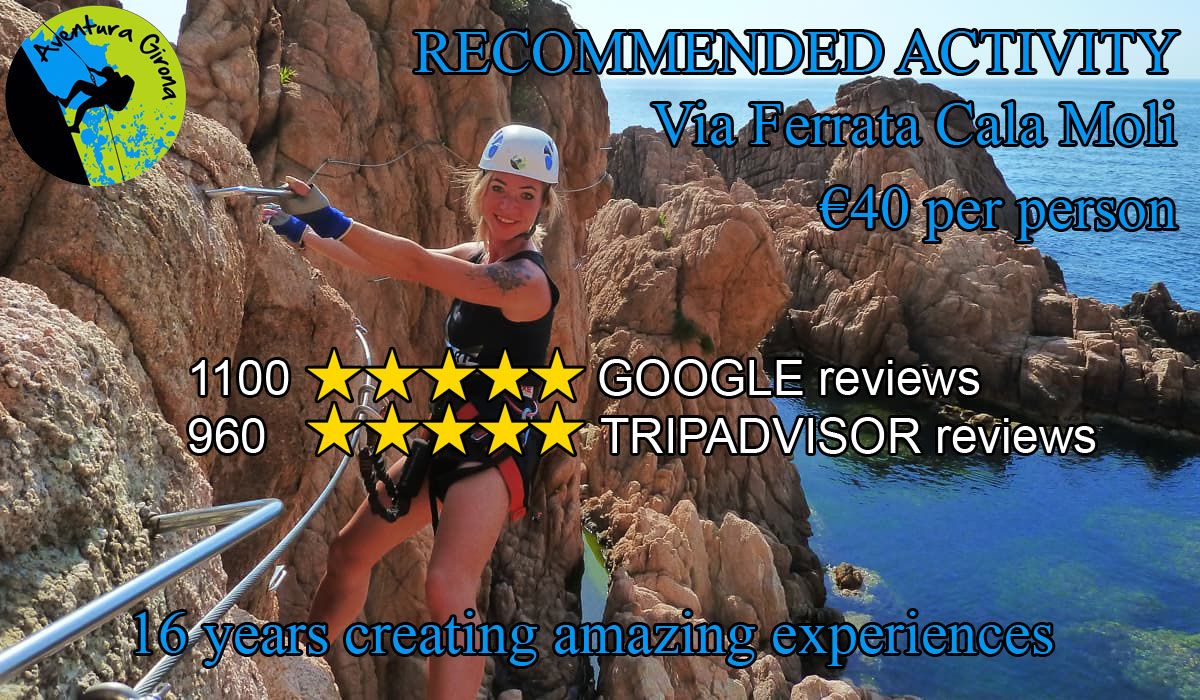
Recommended Activity: Via Ferrata Cala Moli !
Minimum height 155 cm | 30 minutes Girona / 60 minutes Barcelona | Starting from 40 euros
Discover trusted beauty, events, medical, and property services.
Beauty Salon
Haircuts, colouring, styling, skin rejuvenation, and nail art in Tunstall, Stoke on Trent.
Party Barcelona
Plan your next party in Barcelona with local nightlife and event experts.
Traumatologia Barcelona
Specialized traumatology and orthopedic medical services in Barcelona.