Spain Map
Spain Map Introduction
The Spain map provides an insightful overview of the country’s geographical diversity, regions, and major landmarks. Spain is located in southwestern Europe on the Iberian Peninsula, sharing borders with France, Portugal, and Andorra. Surrounded by the Mediterranean Sea and the Atlantic Ocean, its landscape is a fascinating mix of mountains, plains, and islands. Understanding the map of Spain helps travelers, students, and geography enthusiasts explore its rich cultural and natural variety.
All about Spain Map
All about the Spain map involves understanding its regional divisions, cities, and physical features. Spain consists of 17 autonomous communities and two autonomous cities, each with its own culture, language, and geographical characteristics. From the snowy peaks of the Pyrenees in the north to the warm beaches of Andalusia in the south, the map reveals great contrasts within short distances. The Balearic Islands in the Mediterranean and the Canary Islands off the coast of Africa further extend Spain’s unique geography.
Geographical Features of Spain
Spain’s geography is remarkably varied due to its vast and complex terrain. The country is dominated by the Meseta Central, a large plateau that stretches across much of central Spain. This plateau is surrounded by several mountain ranges, including the Pyrenees in the north, Sierra Nevada in the south, and the Cantabrian Mountains along the northern coast. Rivers such as the Ebro, Tagus, and Guadalquivir flow through these landscapes, providing vital water sources and forming fertile valleys. The diversity of landforms makes Spain one of the most geographically complex nations in Europe.
Major Cities on the Spain Map
Spain’s map highlights its major cities, each offering unique cultural and historical significance. Madrid, located in the heart of the country, serves as the national capital and center of governance. Barcelona, on the northeastern coast along the Mediterranean, is renowned for its architecture, art, and vibrant atmosphere. Seville in the south boasts rich Moorish heritage and lively festivals, while Valencia combines stunning beaches with modern landmarks. Other notable cities such as Bilbao, Zaragoza, Granada, and Málaga add to the country’s urban diversity and regional charm.
Spain’s Islands and Coastal Regions
The map of Spain also showcases its beautiful islands and coastal regions. The Balearic Islands, including Mallorca, Menorca, and Ibiza, lie to the east in the Mediterranean Sea and are among Europe’s top tourist destinations. To the southwest, the Canary Islands—such as Tenerife and Gran Canaria—offer volcanic landscapes and a subtropical climate. Along the mainland, Spain’s coastline stretches for thousands of kilometers, featuring resort areas like Costa del Sol, Costa Brava, and Costa Blanca. These coastal zones contribute significantly to Spain’s tourism and cultural identity.
Neighboring Countries and Borders
Spain shares land borders with Portugal to the west, France and Andorra to the north, and the British territory of Gibraltar to the south. The Pyrenees Mountains form a natural boundary between Spain and France, creating dramatic scenery and a popular destination for outdoor enthusiasts. The Strait of Gibraltar connects the Mediterranean Sea with the Atlantic Ocean and separates Spain from the northern coast of Africa by only a few kilometers. This geographical proximity has influenced centuries of cultural exchange and trade.
Regional Diversity on the Map
Each Spanish region displays its own character on the map. Catalonia, the Basque Country, and Galicia have distinct languages and traditions, while Andalusia and Castile reflect deep historical roots. The northern region of Asturias is known for its green hills and fishing villages, whereas Extremadura and Castilla-La Mancha represent the rustic heart of inland Spain. Understanding these regions on the map helps explain how Spain’s identity has been shaped by both geography and history.
Spain Map Summary
The Spain map serves as a fascinating window into the country’s topography, cities, islands, and diverse regions. It reveals how geography has influenced Spain’s culture, economy, and way of life over centuries. From mountain peaks to seaside towns, each part of Spain contributes to its rich national identity. Whether used for travel planning, education, or curiosity, studying the map of Spain deepens appreciation for the beauty and complexity of this European nation.
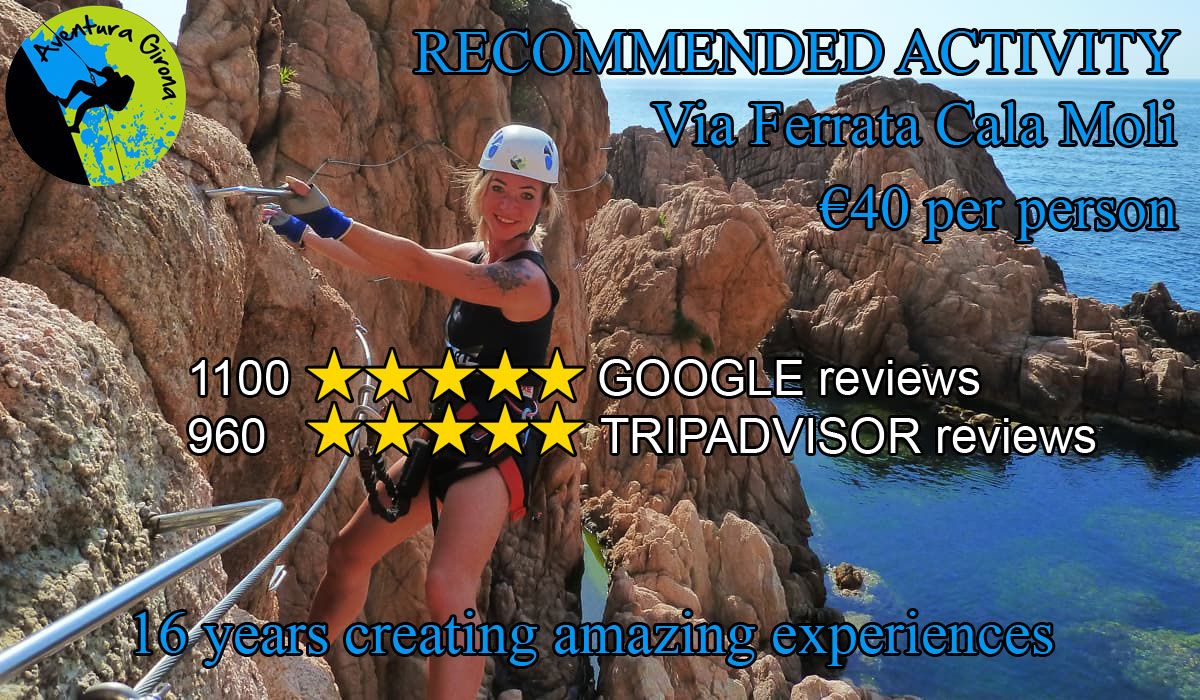
Recommended Activity: Via Ferrata Cala Moli !
Minimum height 155 cm | 30 minutes Girona / 60 minutes Barcelona | Starting from 40 euros
Discover trusted beauty, events, medical, and property services.
Beauty Salon
Haircuts, colouring, styling, skin rejuvenation, and nail art in Tunstall, Stoke on Trent.
Party Barcelona
Plan your next party in Barcelona with local nightlife and event experts.
Traumatologia Barcelona
Specialized traumatology and orthopedic medical services in Barcelona.