Wales
Wales Introduction
Wales is a country on the western side of Great Britain, known for its rugged coastline, dramatic mountains, and strong national identity. As part of the United Kingdom, Wales has its own devolved government, distinct language, and rich cultural traditions that set it apart from its neighbors. From ancient castles to modern cities, visitors find a compelling mix of heritage and innovation across the Welsh landscape.
All about Wales
Wales shares a border with England to the east and is surrounded by the Irish Sea and the Bristol Channel on its other sides. The country is divided into diverse regions, each with its own character, from the industrial heritage of the south to the rural communities of mid and north Wales. The Welsh language, one of the oldest living languages in Europe, remains a vibrant part of daily life in many areas, supported by bilingual education, media, and signage. The capital city, Cardiff, acts as a political, cultural, and economic hub, while other cities and towns contribute to a balanced blend of urban development and rural charm.
Geography and Landscapes of Wales
The geography of Wales is defined by mountains, valleys, and a long, varied coastline. In the north, Eryri (Snowdonia) National Park features some of the highest peaks in Britain, attracting climbers, hikers, and nature lovers throughout the year. Mid Wales is characterized by rolling hills and quiet market towns, while the south combines former coal valleys with vibrant cities and coastal resorts. The coastline includes dramatic cliffs, sandy beaches, and wildlife-rich estuaries, many of which are protected within national parks and Areas of Outstanding Natural Beauty.
History and Heritage of Wales
The history of Wales stretches back thousands of years, with evidence of prehistoric settlements, standing stones, and hillforts across the countryside. Over the centuries, Celtic kingdoms, Roman occupation, and medieval princes shaped the identity of the Welsh people and their relationship with neighboring powers. Later, the age of castles left an enduring mark on the landscape, with fortresses such as Caernarfon, Conwy, and Caerphilly forming part of a remarkable collection of historic sites. The industrial revolution brought coal mining and heavy industry, especially in south Wales, transforming communities and influencing political and social life.
Welsh Culture and Language
Welsh culture is deeply connected to the language, music, and storytelling traditions of the country. The national Eisteddfod and other festivals celebrate poetry, song, and performance, continuing a long-standing appreciation for artistic expression. Choral singing, folk music, and contemporary bands all play a role in the modern Welsh soundscape. The Welsh language is used in schools, government, media, and everyday conversation in many communities, reinforcing a sense of identity and continuity with the past. Alongside Welsh, English is widely spoken, creating a bilingual environment that is accessible to visitors while preserving local heritage.
Cities, Towns, and Attractions in Wales
Cardiff, the capital, is known for its castle, waterfront at Cardiff Bay, and major sporting events at its national stadium. Swansea and Newport contribute to the urban character of south Wales, each offering their own mix of industry, culture, and coastal scenery. In the north, Llandudno, Bangor, and other towns provide gateways to national parks and historic sites. Across Wales, visitors encounter castles, museums, galleries, and cultural centers that tell the story of the country through architecture, art, and interactive experiences. Outdoor activities such as hiking, mountain biking, water sports, and coastal walking routes further enhance the appeal of the region.
Economy and Modern Life in Wales
The modern Welsh economy has diversified from its industrial roots into sectors such as services, tourism, renewable energy, creative industries, and higher education. Universities and research institutions support innovation and attract students from around the world, while small businesses and local enterprises play a vital role in many communities. The devolved government in Wales oversees key domestic areas including health, education, and aspects of transport and the environment, giving the country greater control over its internal affairs. Combined with ongoing investment in infrastructure and culture, these developments shape a contemporary Wales that looks confidently to the future.
Wales Summary
Wales is a country where ancient history, living language, and spectacular landscapes come together to create a distinct sense of place. Its mountains, coastlines, castles, and cities offer experiences that appeal to history enthusiasts, outdoor adventurers, and culture seekers alike. With a strong national identity, thriving arts scene, and evolving economy, Wales continues to grow as a dynamic part of the United Kingdom while proudly preserving its unique traditions and heritage.
Recommended Activity: Coasteering!
Coasteering is an exhilarating coastal adventure activity that combines swimming, climbing, scrambling, and cliff jumping!
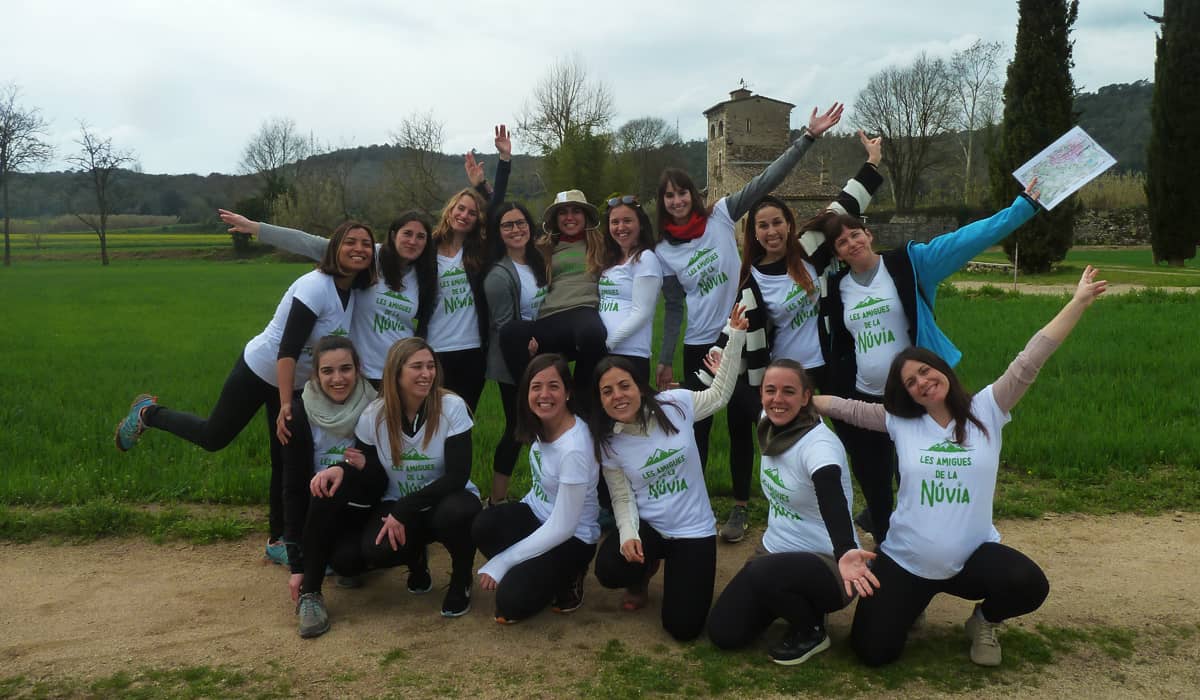
Explore the rugged beauty of the coastline while navigating through sea caves, rock formations, and tidal pools.
Experience an adrenaline-pumping journey with professional guides in stunning natural environments.
Discover the thrill of coasteering today!
SEO aka Search Engine Optimizations
Corporate SEO services
Barcelona Digital Marketing Agency
2Let2 Cathays Cardiff